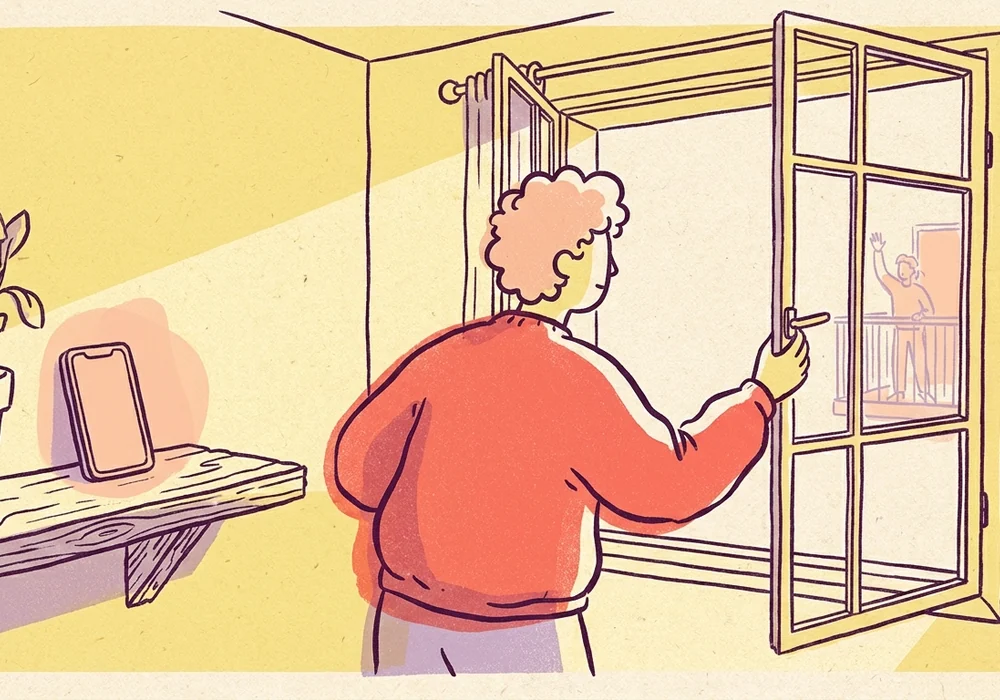
A gentle experiment for changing how you use social platforms—without deleting your whole life.
This guide is part of the Belong Online collection. For a related perspective, read Social Media Likes and Self-Worth, or apply the ideas with the Social Battery Planner.
Days one and two: Observe
Record when you reach for a platform, what you hoped to feel, and how you felt five minutes later. Turn off non-human notifications and move high-pull apps off the first home screen.
Days three to five: Replace
Choose two intentional check windows. When the urge appears outside them, send one direct message, take a short walk, or write the thought somewhere private. You are replacing the function, not only removing the app.
Days six and seven: Redesign
Unfollow accounts that reliably create contempt or comparison, keep spaces that lead to conversation or learning, and choose one posting rule that protects your purpose. Review what changed in mood, time, and connection.
What to do during a seven-day digital reset
Observe the cue
Record what happened just before an automatic check and what feeling you hoped the app would change.
Replace the function
Use a direct message for connection, a saved article for stimulation, or a short walk for a state change.
Keep what works
After seven days, restore only the notifications, accounts, and posting habits that support your chosen purpose.
Example: What to do during a seven-day digital reset
If boredom triggers short-video checking, deleting the app without a replacement may leave the cue untouched. Keeping a book, podcast, or friend shortcut nearby gives the same moment a different path.
Common questions about a seven-day digital validation reset
Do you have to delete social media for a reset?
No. The reset changes cues and choices so use becomes more intentional; deleting an account is only one possible tool.
What should improve after seven days?
Look for fewer automatic checks, clearer reasons for opening an app, less mood dependence on metrics, and easier movement toward direct connection.
Evidence and further reading
These sources provide research context for claims in this guide. A single study does not settle how every person or relationship will respond.
- No More FOMO: Limiting social media decreases loneliness and depression
A randomized study of reduced Facebook, Instagram, and Snapchat use among university students.
A reset succeeds when your digital life becomes more intentional, not more impressive.